The Ultimate Guide to Choosing the Best Dog Food
Choosing the right dog food is one of the most critical decisions you'll make as a pet parent. It directly impacts your canine companion's health, energy levels, coat quality, and overall longevity. With countless brands, formulas, and ingredients on the market, navigating the options can feel overwhelming. This comprehensive guide will break down everything you need to know to make an informed choice that's perfect for your furry friend.
Understanding Your Dog's Nutritional Needs
Before diving into specific brands, it's essential to understand the basic nutritional requirements of dogs. These can vary based on age, breed, size, activity level, and any specific health conditions.
Key Nutritional Components:
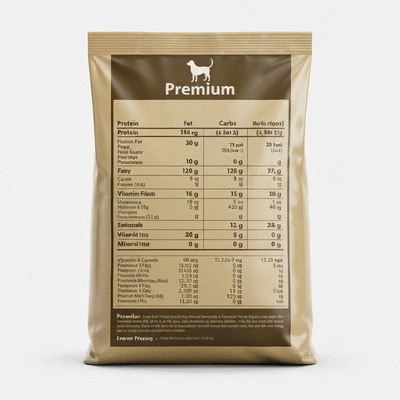
- Proteins: Essential for muscle development, tissue repair, and enzyme production. Look for high-quality animal-based proteins like chicken, beef, lamb, fish, or turkey as the primary ingredient.
- Fats: Concentrated source of energy, crucial for healthy skin and coat, and absorption of fat-soluble vitamins. Omega-3 and Omega-6 fatty acids are particularly beneficial.
- Carbohydrates: Provide energy and fiber. Good sources include whole grains (brown rice, oats, barley), sweet potatoes, and peas. Avoid excessive fillers like corn or soy.
- Vitamins and Minerals: Support various bodily functions, immune health, and bone strength. A balanced diet should include a wide array of essential vitamins (A, D, E, B-complex) and minerals (calcium, phosphorus, zinc, iron).
- Water: The most crucial nutrient, often overlooked. Ensure your dog always has access to fresh, clean water.
Life Stage Considerations:
- Puppies: Require higher protein, fat, and calorie content to support rapid growth and development. Look for formulas specifically labeled "puppy" or "all life stages."
- Adult Dogs: Need a balanced diet to maintain weight, energy, and overall health. Formulas vary based on activity level (e.g., active vs. sedentary).
- Senior Dogs: Often benefit from lower calorie, lower fat, and higher fiber diets to manage weight and support joint health. Ingredients like glucosamine and chondroitin are often added.
![Detailed nutritional information label on a bag of premium dog food, showing protein, fat, carbs, vitamins, and minerals]()
Decoding Dog Food Labels
Dog food labels are packed with information, but knowing what to look for can make all the difference. Understanding key terms and ingredient lists is vital.
The Ingredient List:
Ingredients are listed in descending order by weight. The first few ingredients are the most important:
- First Ingredient Matters: A high-quality animal protein (e.g., "deboned chicken," "lamb meal") should be among the first two ingredients. Be wary of generic terms like "meat meal" or by-products as the sole protein source.
- Whole Grains vs. Fillers: Whole grains (brown rice, oats, barley) provide valuable nutrients. Avoid foods with excessive corn, soy, or wheat as primary ingredients if your dog has sensitivities or allergies.
- Fruits and Vegetables: Beneficial for vitamins, minerals, and antioxidants. Look for ingredients like sweet potatoes, carrots, blueberries, and spinach.
- Prebiotics and Probiotics: Support digestive health.
- Avoid Artificial Additives: Steer clear of artificial colors, flavors, and preservatives (e.g., BHA, BHT, ethoxyquin). Natural preservatives like tocopherols (Vitamin E) are preferred.
AAFCO Statement:
The Association of American Feed Control Officials (AAFCO) establishes nutritional standards for pet food. Look for a statement like: "[Product Name] is formulated to meet the nutritional levels established by the AAFCO Dog Food Nutrient Profiles for [Life Stage]." This ensures the food is nutritionally complete and balanced for its intended purpose.
Types of Dog Food
Dog food comes in various forms, each with its own advantages and considerations:
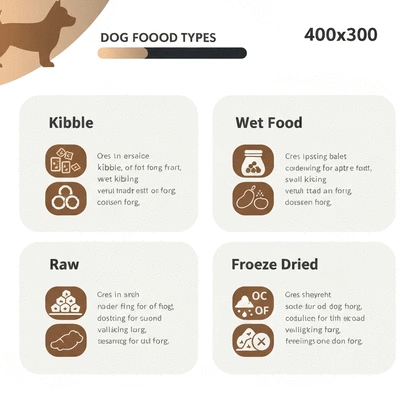
- Dry Kibble: Most popular and convenient. Good for dental health, easy to store, and generally more economical. Quality varies widely.
- Wet/Canned Food: Higher moisture content, often more palatable for picky eaters, and can be good for hydration. Usually more expensive per serving.
- Semi-Moist Food: Often contains more sugar and artificial ingredients. Generally not recommended as a primary diet.
- Raw Food (BARF - Biologically Appropriate Raw Food): Consists of uncooked meat, bones, fruits, and vegetables. Advocates claim numerous health benefits, but it requires careful preparation to ensure nutritional balance and minimize bacterial contamination risks. Consult a vet before switching to a raw diet.
- Freeze-Dried/Dehydrated Food: A convenient alternative to raw, these foods retain much of their nutritional value and can be rehydrated or fed dry.
![Comparison chart of different types of dog food like kibble, wet food, raw, and freeze-dried, with their pros and cons]()
Common Dog Food Myths Debunked
The pet food industry is rife with misinformation. Let's clear up some common myths:
- Myth: Grain-Free is Always Better: While some dogs have grain sensitivities, grains themselves are not inherently bad and can provide valuable nutrients. Recent studies have even linked some grain-free diets to potential heart issues (Dilated Cardiomyopathy - DCM) in certain breeds. Consult your vet before going grain-free.
- Myth: All By-Products Are Bad: "By-products" can include organ meats which are highly nutritious. The issue is often with the quality and source of these by-products, not their existence. High-quality by-products from reputable sources can be beneficial.
- Myth: Expensive Food is Always Best: Price doesn't always equate to quality. While premium foods often use better ingredients, some mid-range brands offer excellent nutrition. Focus on the ingredient list and AAFCO statement over price alone.
When to Consult Your Veterinarian
Your veterinarian is your best resource for personalized advice on your dog's diet. Consult them if:
- Your dog has specific health conditions (allergies, diabetes, kidney disease, etc.).
- You're considering a significant diet change (e.g., from kibble to raw).
- Your dog is experiencing digestive issues, weight changes, or coat problems.
- You have a puppy or senior dog with unique dietary needs.
Making the Switch
If you decide to change your dog's food, do so gradually over 7-10 days to avoid digestive upset. Start by mixing a small amount of the new food with the old, gradually increasing the proportion of the new food each day until the transition is complete.
Conclusion
Choosing the best dog food requires a little research and understanding of your dog's individual needs. By focusing on high-quality ingredients, understanding labels, and consulting your veterinarian, you can provide your beloved companion with a diet that supports a long, healthy, and happy life. Remember, a well-nourished dog is a happy dog!